




“If exercise could be packed in a pill, it would be the single most widely prescribed and beneficial medicine in the nation.” This quote attributed to Dr. Robert Butler MD, made in 1980, is as true now as it was then.
Butler was a pioneer in studying aging and a founding director of the National Institute on Aging (NIA), a division of the National Institutes of Health (NIH). In 1975, he won a Pulitzer Prize for his book Why Survive? Being Old in America. In it he wrote, “In America, childhood is romanticized, youth is idolized, middle age does the work, wields the power, and pays the bills, and old age, its days empty of purpose, gets little or nothing of what it has already done. The old are in the way.” Well, that doesn’t sound like much fun. Luckily, from those early beginnings 50 years ago, the field of healthy aging has undergone profound change. As a larger number and percentage of Americans transition into their golden years, it is vital that the healthcare profession promotes healthy, sustainable lifestyles. Importantly, exercise and lifestyle habits in our earlier years can have a profound impact on our health in later years.
Benefits of Exercise
The benefits of exercise are manifold, and they encompass both physical and mental health. Exercise has been shown to reduce the risk of chronic diseases, improve overall mood, and enhance a person’s quality of life. Among the potential physical benefits, exercise assists in the following:
- Weight management: It burns calories and helps with weight loss.
- Cardiovascular health: It strengthens the heart, improves blood circulation, and lowers blood pressure.
- Bone and muscle strength: Weight bearing activities, including walking, help maintain joint health, bone density, and reduce the risk of osteoporosis.
- Increased metabolism: It boosts the rate at which your body burns energy.
- Improved endurance: It improves overall fitness and strength, and the amount of activity one can tolerate before tiring.
- Flexibility and balance: Movement maintains joint flexibility. This is an important consideration in lowering fall risk in the elderly.
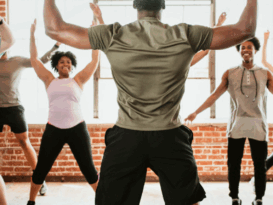
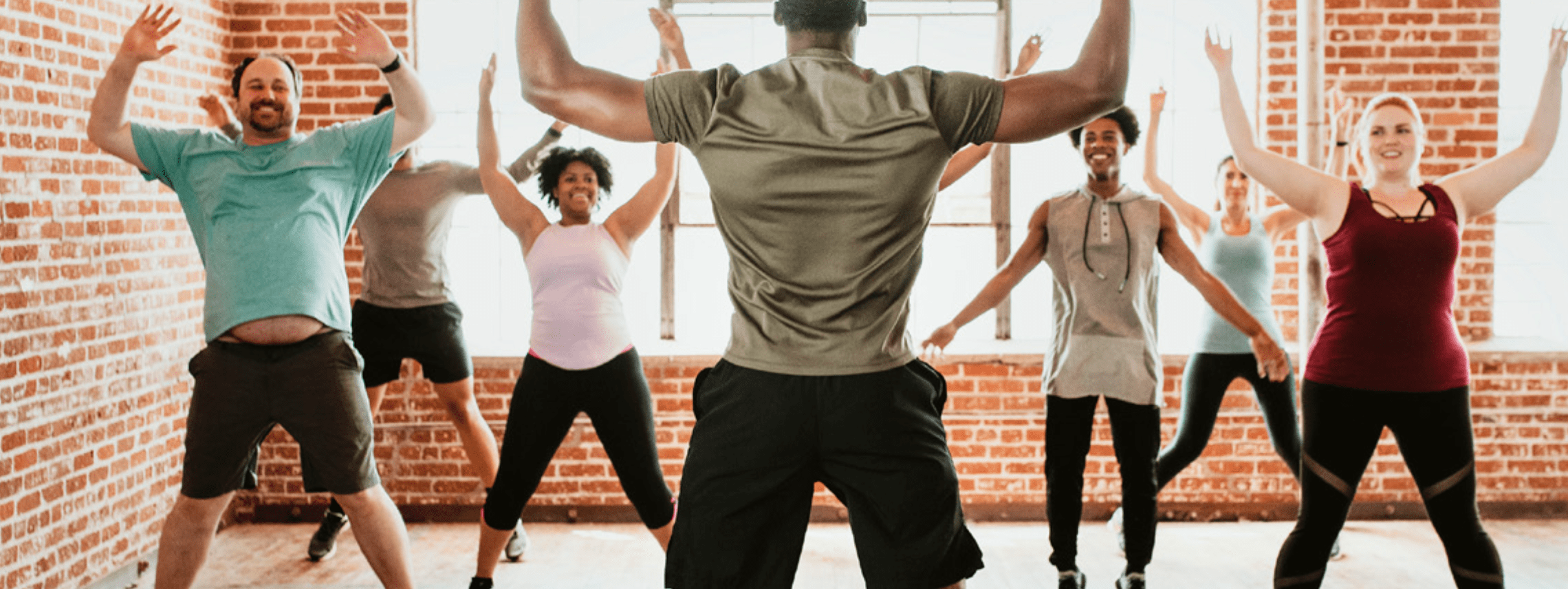
In addition to physical benefits, exercising consistently also contributes to mental well-being through reduced stress, better sleep, improved brain function, and it potentially protects against cognitive decline as we age. Finally, if done within a group, exercise helps foster community engagement, which is another key factor in healthy aging.
According to the NIH, low levels of regular physical activity coincide with an alarming increase in the prevalence of chronic illnesses and mental health disorders. For school-age children, participation in sports can lead to better focus in class, higher grades, improved self-esteem, and a much-needed sense of social connection.
The Miracle Drug
Appreciating the value of exercise, the American College of Sports Medicine developed the Exercise Is Medicine program, even referring to exercise as “the miracle drug” (exerciseismedicine.org). The Exercise Is Medicine initiative was established in 2007 to inform and educate physicians and other healthcare providers about the inherent value of exercise. Its goal was to bridge the widening gap between healthcare and fitness. “The consistent message from all healthcare providers to their patients should be to start or to continue a regular exercise program. Exercise Is Medicine is a solution that enables physicians to support their patients in implementing exercise as part of their disease prevention and treatment strategies.”1 The aim is to make physical activity assessment and promotion a standard in clinical care, part of the annual health checkup.2
The American College of Lifestyle Medicine (ACLM) has developed courses to introduce clinicians to the power of lifestyle medicine, shifting the focus away from chronic disease management and toward lasting health. Interestingly, they believe following this approach is rewarding for medical practitioners as well as patients.
According to the ACLM, the therapeutic use of lifestyle change as the foundation of healthcare rests on six pillars, with nutrition and exercise being fundamental to wellness (lifestylemedicine.org). It states, “One of the most important decisions your patients will make regarding their overall health is to incorporate regular physical activity into their lives.” And, emphasizing the role of all healthcare professionals, “Your encouragement can be a powerful influence in this decision.”
So Every BODY Can Move
Within the O&P community, there is an initiative to ensure healthcare equity in which every person, regardless of disability, has access to mobility and independence (soeverybodycanmove.org). It is seeking to develop grassroots support to enact legislative change at the state level. If movement is medicine, then physical activity is a right, not a privilege. The advocacy work aims to end discriminatory healthcare treatment for the disability community and create insurance coverage for recreational prosthetic and orthotic care one state at a time. It benefits everyone —patients, clinicians, and the community at large— to support and get involved in groups such as this. The broad-based founding group behind So Every BODY Can Move includes the American Academy of Orthotists and Prosthetists, the American Orthotic and Prosthetic Association, the National Association for the Advancement of Orthotics and Prosthetics, and the Amputee Coalition.
Exercise Guidelines
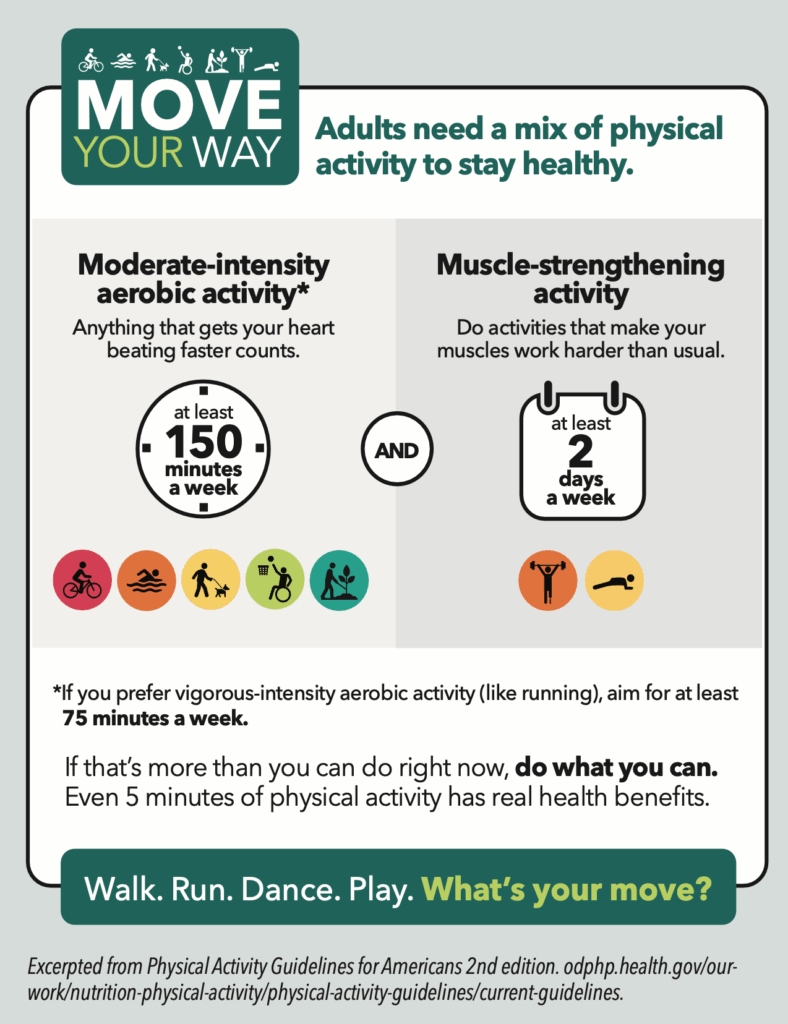
Given the tremendous cost of treating chronic diseases, a huge amount of resources have been invested in understanding and developing prevention programs. The Move Your Way campaign was created by the Office of Disease Prevention and Health Promotion within the Department of Health and Human Services. (See the current guidelines at odphp.health.gov.)
Research has shown that it’s important to get all three types of exercise: aerobic, muscle-strengthening, and balance. Adults should do muscle-strengthening activities at least two days a week and moderate-intensity aerobic exercise at least 150 minutes (2.5 hours) a week, according to the Physical Activity Guidelines for Americans. They encourage movement without restricting it to any particular activity or sport. There are separate guidelines for children, adolescents, and the elderly.
Importantly, every patient needs to be cleared for exercise by his or her physician and follow those instructions closely. Within O&P, we need to recognize the special considerations of our community. Not every patient will be as capable, and adjustments must be made based on what is possible for them. Taking the team approach to healthcare by involving physicians and therapists allows us to determine what is appropriate for each person. The NIA issues its owns guidelines and resources for older Americans at nia.nih.gov/health/exercise-and-physical-activity.
The Importance of Footcare
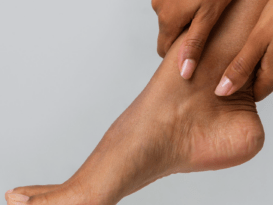
Footcare is an especially important consideration in overall health as patients with foot pain, balance issues, or insensate feet modify their gait and even their willingness to walk. An article written for the Academy’s Society Spotlight series explored some of the effects of limited ambulation.3 One group of studies highlighted in the article strongly suggested that foot problems negatively impact individuals’ quality of life and their community engagement. Patients will walk less or not at all if they have foot pain, concern of an injury, or fear of falling.
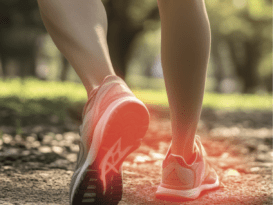
In that regard, walking shoes should be considered an investment in health —not a discretionary purchase. Good walking shoes should be properly fitted by a pedorthist or other qualified professional who can advise on specifics such as heel counter height and stiffness, sole tread, shoe flex point, and torsional stability. The style should also be appropriate for the terrain: street, park, trail, or hill. Just as athletes buy the proper sports equipment, or hobbyists invest in their passions, walking shoes are not a luxury and should be chosen with care. If a patient has a recurring foot problem he or she should be encouraged to see a podiatrist.
Conclusion
Keeping patients on their feet and mobile is fundamental to preventing the progression of many lifestyle-related diseases. For example, individuals with diabetes can improve blood glucose control and weight management simply by walking. And, below a certain threshold, the slower a patient walks, there is an increased correlation risk of mortality.3 The benefits of exercise include better health, improved personal wellness, higher quality of life, and lower overall cost to the healthcare system. The O&P profession is in the movement business: keeping people up, active, engaged, and healthy.
It is well established that exercise serves as medicine and therapy. According to the celebrated Greek physician Hippocrates, “If we could give every individual the right amount of nourishment and exercise, not too little, and not too much, we would have found the safest way to health.” Over 2,400 years later, in the search for an elusive elixir of life, the closest we have come so far is exercise.
Séamus Kennedy, BEng (Mech), CPed, FAAOP(A), is president and co-owner of Hersco Ortho Labs, New York. He can be contacted at seamus@hersco.com or by visiting www.hersco.com.
References
- Exercise Is Medicine
Walter R Thompson, Robert Sallis, Elizabeth Joy, Carrie A Jaworski, Robyn M Stuhr, Jennifer L Trilk
American Journal of Lifestyle Medicine. 2020 Apr 22;14(5):511–523. - How To Prescribe Exercise for Your Patients
Tim Dutra Podiatry Management, Sep 2024 - Every Step You Take: Quality of Life and Life Expectancy
Séamus Kennedy The O&P Edge, Society Spotlight, Nov 2022
https://opedge.com/every-step-you-take-quality-of-life-and-life-expectancy/